Set on Specializing?
Consider these Injury-Mitigating Strategies
Alexandra Abbott, MD
If you are set on a single sport or activity (despite that the professionals were sport samplers and despite that injury and burnout risk will increase), it’s a good idea to at least consider waiting until later adolescence to specialize. The later the better, but between 13-16 years may be optimal. In addition to timing of specialization, there are also some evidence-based strategies to reduce the risk for injury associated with specialized sport participation.
“Rules of Thumb” for Training and Competition Volume:
One day off per week (two is better) from the primary sport. These do not have to be “couch potato” days, but should be days where any activity is light, unstructured, participation rather than performance focused, and restorative in general. Participating in another sport altogether may also be considered. For example, perhaps there is no soccer practice but you decide to go for a run, play tennis instead, practice juggling for 30 minutes or less, engage in a mobility or pre-hab (injury prevention) session, or take a complete rest day from activity to restore and recover.
Hours per week of the primary sport should be less than a youth athlete’s age in years. For example, an 8 year old with four practice sessions each lasting 2 hours is more likely to require injury management than one who has shorter and/or fewer training sessions during the week. Most commonly, volume metrics are reasonable until a tournament or competition week adds significant volume suddenly. During a week like this, injury risk is significantly increased.
Year-round participation— program an “off-season” or rest from the primary sport:
Scheduling an “off-season” into the calendar, which looks like 3 months of the year where performance is not emphasized, can benefit athletes by reducing their risk for injury. During an off-season or “de-load” period, athletes are not trying to set new records or emphasize competition. Instead, they may be focusing on fundamentals, pre-hab, and/or strength and conditioning, participating in another sport or activity altogether, participating in unstructured activities, and/or resting altogether.
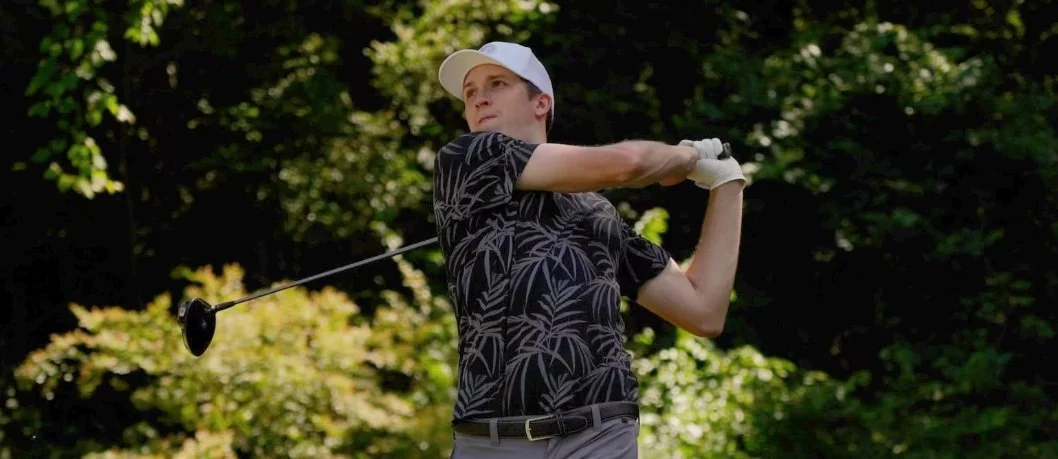
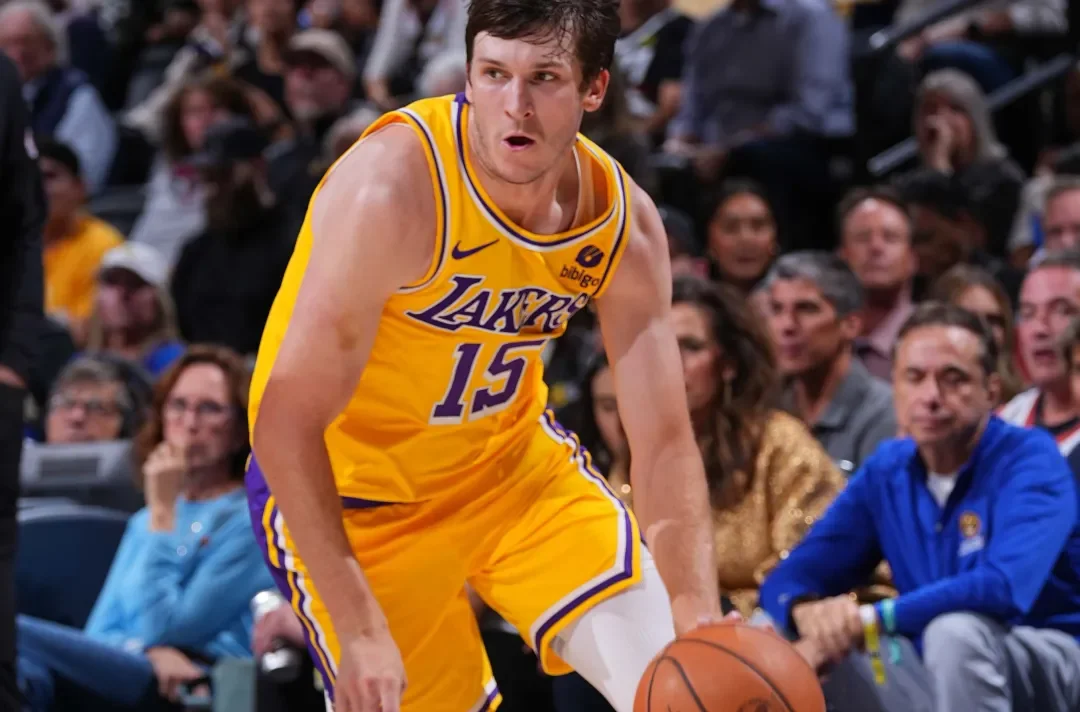
Professional and Olympic athletes commonly program off-seasons/deload periods explicitly, in order to minimize injury risk and to promote peak performance occurring during competition periods of the year. For young athletes, 3 months of the year may look like nonconsecutive weeks of rest from structured activities (quarterly vacation periods?), consecutive or nonconsecutive rehab/pre-hab periods, periods of cross-training, sampling other sports, and/or focusing on mobility and fundamentals.
Progressing Volume Over Time
Increasing volume (i.e. duration, frequency, intensity) is often crucial for improving performance. However, increased volume week-to-week can be associated with increased risk for injury. Consider these tools to increase volume without becoming injury-prone.
10% rule: Week-to-week progression of exercise volume exceeding 10% has been associated with injury risk in athletes. Most commonly applied to runners, this would be represented by a running 10 miles per week and adding just 1 mile per week to progress with optimal injury mitigation (10% increase). Most often, however, progression is dictated by external influences:
An athlete might enjoy a period of decreased activity without intentional gradual progression before a new sport season starts.
A spontaneous decision to sign up for a race might pressure a runner’s progression schedule.
A coach’s “boot camp” model might emphasize significant volume above the athletes’ baselines.
Non-runners may choose to quantify their volume and intentionally progress it by 10% weekly with metrics such as minutes or hours per week, instead of weekly miles.
ReferencesBell DR, Post EG, Trigsted SM, Hetzel S, McGuine TA, Brooks MA. Prevalence of Sport Specialization in High School Athletics: A 1-Year Observational Study. Am J Sports Med. 2016;44(6):1469-1474.Brenner JS. Sports Specialization and Intensive Training in Young Athletes. Pediatrics. 2016;138(3).Brooks MA, Post EG, Trigsted SM, Schaefer DA. Knowledge, Attitudes, and Beliefs of Youth Club Athletes Toward Sport Specialization and Sport Participation. Orthop J Sports Med. 2018;6(5):2325967118769836.Committee on Sports Medicine and Fitness. Intensive training and sports specialization in young athletes. Committee on Sports Medicine and Fitness. Pediatrics. 2000;106:154-157.Jayanthi NA, LaBella CR, Fischer D, et al. Sports-specialized intensive training and the risk of injury in young athletes: a clinical case-control study. Am J Sports Med. 2015;43(4):794-801.Post EG, Trigsted SM, Riekena JW, Hetzel S, McGuine TA, Brooks MA, Bell DR. The Association of Sport Specialization and Training Volume With Injury History in Youth Athletes. Am J Sports Med. 2017;45(6):1405-1412.DiFiori JP, Brenner JS, Comstock D, Côté J, Güllich A, Hainline B, Malina R. Debunking early single sport specialisation and reshaping the youth sport experience: an NBA perspective. Br J Sports Med. 2017 Feb;51(3):142-143.DiFiori JP, Quitiquit C, Gray A, Kimlin EJ, Baker R. Early Single Sport Specialization in a High-Achieving US Athlete Population: Comparing National Collegiate Athletic Association Student-Athletes and Undergraduate Students. J Athl Train. 2019 Oct;54(10):1050-1054.Root H, Marshall AN, Thatcher A, Valier ARS, Valovich McLeod TC, Bay RC. Sport Specialization and Fitness and Functional Task Performance Among Youth Competitive Gymnasts. J Athl Train. 2019 Oct;54(10):1095-1104.Swindell HW, Marcille ML, Trofa DP, Paulino FE, Desai NN, Lynch TS, Ahmad CS, Popkin CA. An Analysis of Sports Specialization in NCAA Division I Collegiate Athletics. Orthop J Sports Med. 2019 Jan 28;7(1):2325967118821179.Okoruwa ET, Abbott A, Stamm M, Mulcahey MK. Sport Specialization Classification and Injury Risk in Female Athletes. Sports Health. 2022 Nov-Dec;14(6):797-804.Kliethermes SA, Nagle K, Côté J, Malina RM, Faigenbaum A, Watson A, Feeley B, Marshall SW, LaBella CR, Herman DC, Tenforde A, Beutler AI, Jayanthi N. Impact of youth sports specialisation on career and task-specific athletic performance: a systematic review following the American Medical Society for Sports Medicine (AMSSM) Collaborative Research Network's 2019 Youth Early Sport Specialisation Summit. Br J Sports Med. 2020 Feb;54(4):221-230.Jayanthi NA, Post EG, Laury TC, Fabricant PD. Health Consequences of Youth Sport Specialization. J Athl Train. 2019 Oct;54(10):1040-1049.Miller MM, Trapp JL, Post EG, Trigsted SM, McGuine TA, Brooks MA, Bell DR. The Effects of Specialization and Sex on Anterior Y-Balance Performance in High School Athletes. Sports Health. 2017 Jul/Aug;9(4):375-382.
ACWR: The acute-to-chronic-work-ratio (ACWR) functions similarly to the 10% rule. Acute workload (work performed in the past week) is measured against the chronic workload (work performed in the past month). Ratios over 1.2 (high acute compared to chronic/baseline) result in increased injury risk. Ratios under 0.8 may indicate relative under-training, and if not intentionally in an off-season, this may promote injury if returning to baseline too quickly later.
Finally, sports should be pain-free, full stop. “No pain, no gain,” “pain is weakness leaving the body,” “no days off,” sound so intense that they must be true, right? Yikes. Pain is your tissues’ way of telling you that damage is occurring. Its true that muscular growth, bone density increases, and other tissue adaptations cannot occur without this stress and microdamage. However, pushing through strain or playing through an injury is a quick way to make a strain turn into an injury or to make an injury worse.
Use common sense, and when that is not precise enough, consider these tools to improve your longevity in sport.
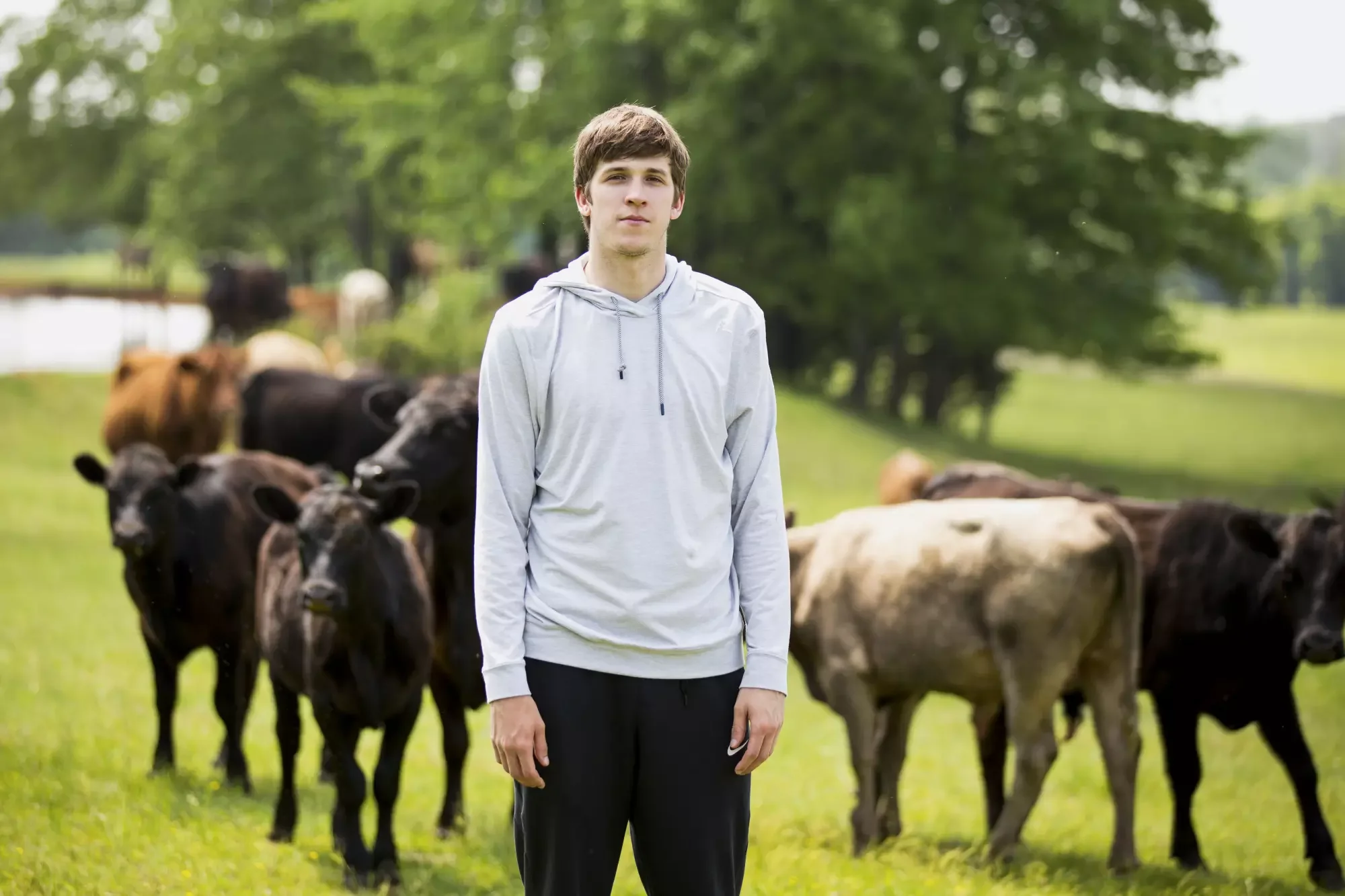
Austin Reaves enjoys more relaxed training, cross training, as well as actual rest throughout the year, separately from the NBA season.