Sport Specialization: Should Young Athletes Sample the Sports Buffet?
Alexandra Abbott, MD
Early sport specialization is often framed as the path to success: Pick one sport, train year-round, get ahead. For many young athletes and families, the pressure to commit early feels unavoidable. The assumption is clear: focus = excellence. But the evidence tells a different story.
Some of the most successful athletes in the world were not sport specialized—they were sport samplers.
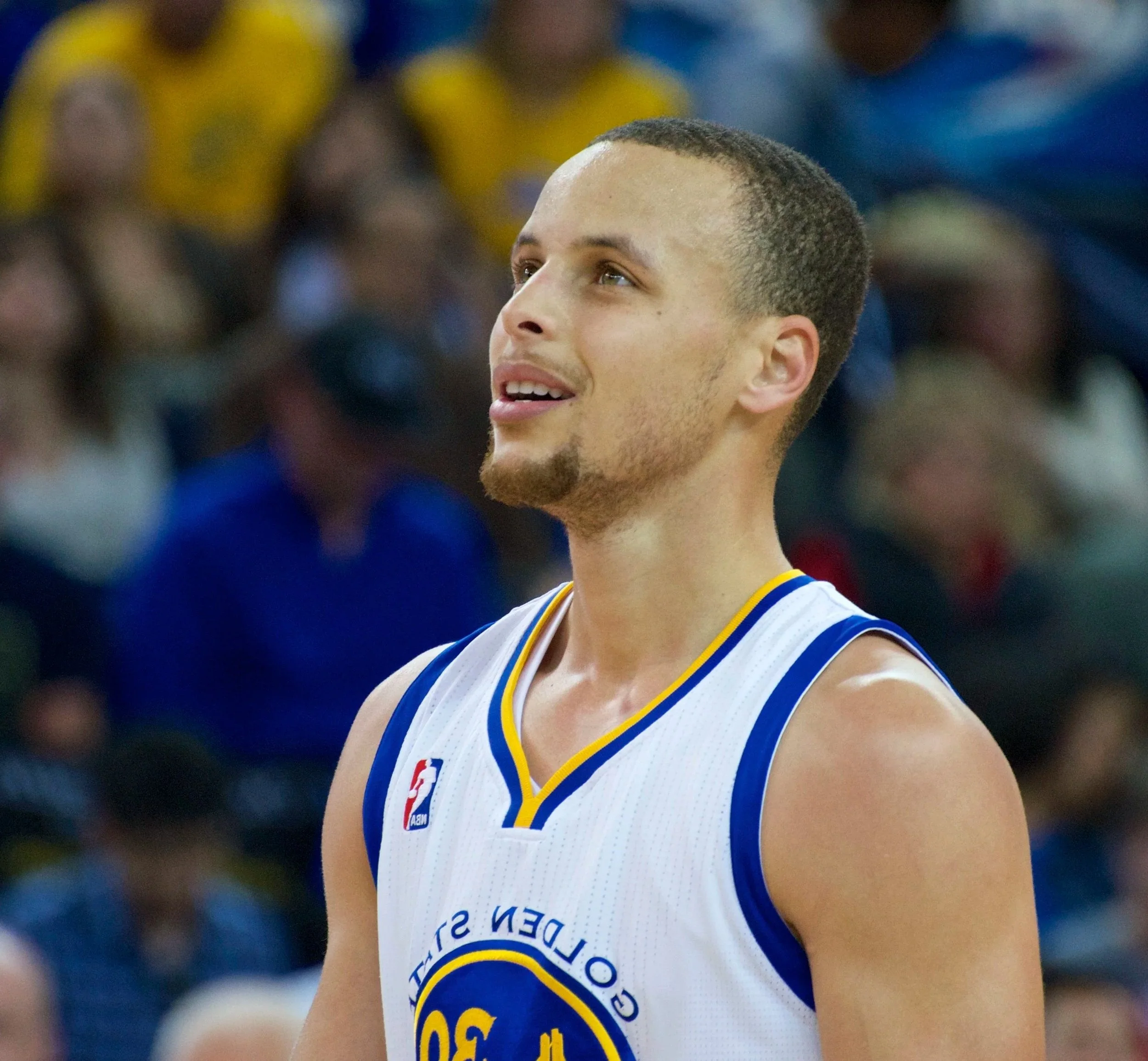
Steph Curry is a great example of a high-level athlete with a low level of specialization at a child. Though he is a world-class athlete as an adult, he did not focus exclusively on basketball until high school. As a younger athlete, he also enjoyed football, soccer, and baseball throughout the year.
His story is not an outlier. Large-scale data from Olympic, professional, and NCAA Division I athletes shows that many elite performers did not specialize in a single sport until after age 12. Sport sampling, not specializing, appears to be the more typical “recipe” among top athletes.
Why Sport Sampling?
Sport sampling functions much like cross-training. By participating in multiple sports, young athletes:
· Develop a wider range of movement patterns
· Distribute physical load across different tissues
· Engage muscles in varied planes and demands
This diversity of movement types reduces repetitive stress on the same structures, which likely lowers the risk of overuse injury.
In contrast, early specialization concentrates stress: the same movements, the same tissues, the same demands, season after season, year after year.
Over time, this adds up.
Injury Risk and Burnout
Sport specialization has been consistently linked to:
· Higher rates of overuse injury
· Excessive training volume at young ages
· Greater risk of athlete burnout
Redefining Sport Success
In my opinion, sport success looks like someone who can call themselves an athlete in all stages of life, and who can enjoy all of the benefits that sport and exercise has to offer. Thus, your consideration of sport success may not be limited to the prospect of collegiate, professional, or Olympian status (however, evidence shows playing multiple sports may help with this too!
Burnout matters—not just for performance, but for participation as well. Many children leave organized sports during the transition from middle school to high school. When sport stops feeling enjoyable, withdrawal can look like the only choice for a young athlete. For some, this exit leads to lifelong physical inactivity.
Sampling appears to protect from this common story— athletes who play multiple sports have lower burnout rates and are more likely to stay active over time.
Key Insights
Early specialization is not a requirement for sport success, and is likely actually detrimental.
Sampling builds resilient bodies, reduces burnout, and keeps kids in the game longer, promoting their transition to become healthy, active adults.
ReferencesBell DR, Post EG, Trigsted SM, Hetzel S, McGuine TA, Brooks MA. Prevalence of Sport Specialization in High School Athletics: A 1-Year Observational Study. Am J Sports Med. 2016;44(6):1469-1474.Brenner JS. Sports Specialization and Intensive Training in Young Athletes. Pediatrics. 2016;138(3)Brooks MA, Post EG, Trigsted SM, Schaefer DA. Knowledge, Attitudes, and Beliefs of Youth Club Athletes Toward Sport Specialization and Sport Participation. Orthop J Sports Med. 2018;6(5):2325967118769836.Giusti NE, Carder SL, Vopat L, Baker J, Tarakemeh A, Vopat B, Mulcahey MK. Comparing Burnout in Sport-Specializing Versus Sport-Sampling Adolescent Athletes: A Systematic Review and Meta-analysis. Orthop J Sports Med. 2020;8(3):2325967120907579.Jayanthi NA, LaBella CR, Fischer D, et al. Sports-specialized intensive training and the risk of injury in young athletes: a clinical case-control study. Am J Sports Med. 2015;43(4):794-801.Post EG, Trigsted SM, Riekena JW, Hetzel S, McGuine TA, Brooks MA, Bell DR. The Association of Sport Specialization and Training Volume With Injury History in Youth Athletes. Am J Sports Med. 2017;45(6):1405-1412.DiFiori JP, Quitiquit C, Gray A, Kimlin EJ, Baker R. Early Single Sport Specialization in a High-Achieving US Athlete Population: Comparing National Collegiate Athletic Association Student-Athletes and Undergraduate Students. J Athl Train. 2019 Oct;54(10):1050-1054.Root H, Marshall AN, Thatcher A, Valier ARS, Valovich McLeod TC, Bay RC. Sport Specialization and Fitness and Functional Task Performance Among Youth Competitive Gymnasts. J Athl Train. 2019 Oct;54(10):1095-1104.Swindell HW, Marcille ML, Trofa DP, Paulino FE, Desai NN, Lynch TS, Ahmad CS, Popkin CA. An Analysis of Sports Specialization in NCAA Division I Collegiate Athletics. Orthop J Sports Med. 2019 Jan 28;7(1):2325967118821179.Okoruwa ET, Abbott A, Stamm M, Mulcahey MK. Sport Specialization Classification and Injury Risk in Female Athletes. Sports Health. 2022 Nov-Dec;14(6):797-804.Kliethermes SA, Nagle K, Côté J, Malina RM, Faigenbaum A, Watson A, Feeley B, Marshall SW, LaBella CR, Herman DC, Tenforde A, Beutler AI, Jayanthi N. Impact of youth sports specialisation on career and task-specific athletic performance: a systematic review following the American Medical Society for Sports Medicine (AMSSM) Collaborative Research Network's 2019 Youth Early Sport Specialisation Summit. Br J Sports Med. 2020 Feb;54(4):221-230.Jayanthi NA, Post EG, Laury TC, Fabricant PD. Health Consequences of Youth Sport Specialization. J Athl Train. 2019 Oct;54(10):1040-1049.Miller MM, Trapp JL, Post EG, Trigsted SM, McGuine TA, Brooks MA, Bell DR. The Effects of Specialization and Sex on Anterior Y-Balance Performance in High School Athletes. Sports Health. 2017 Jul/Aug;9(4):375-382.